Research Areas
Our laboratory investigates diverse questions across computational biology and evolutionary genomics.
Accessible Genomic Diagnostics
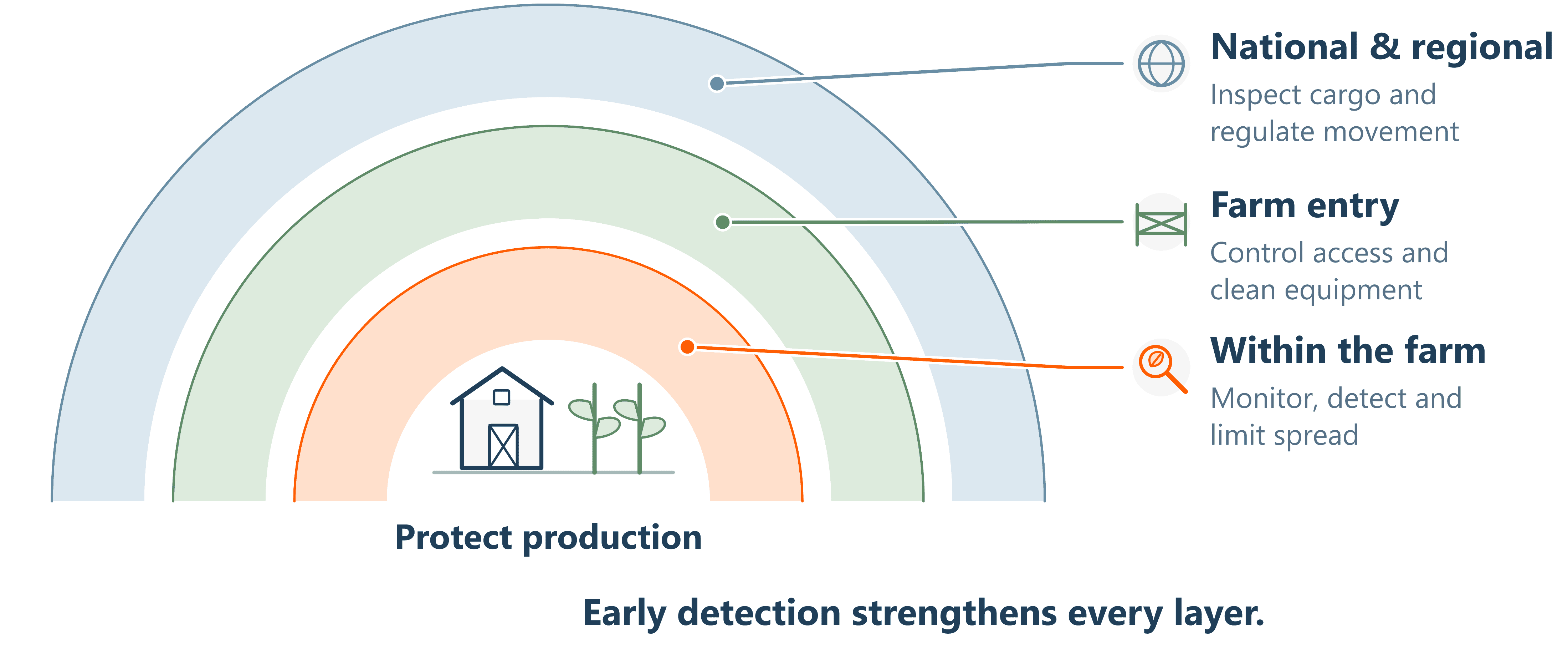
We develop tools that help plant diagnostic labs identify pathogens from high-throughput sequencing data without writing code.
MiFi gives diagnosticians a web interface for screening sequencing data for known plant pathogens and flagging unusual findings for follow-up. This work supports agricultural biosecurity and clean plant programs that need to test planting material for multiple pathogens.
Selected Publications
- Microbe Finder (MiFi®): Implementation of an Interactive Pathogen Detection Tool in Metagenomic Sequence Data
Andres S. Espindola, K. CardwellPlants(2021)DOI ↗ - Development and evaluation of Microbe Finder (MiFi)®: a novel in silico diagnostic platform for pathogen detection from metagenomic data.
S. Narayanan, Andres S. Espindola, J. Malayer, K. Cardwell, Akhilesh RamachandranJournal of medical microbiology(2023)DOI ↗ - Development and Validation of a Suite of E-Probes for Electronic Diagnostic Nucleic Acid Analysis (EDNA) for 20 Graft-Transmissible Pathogens of Citrus Using MiFi® and Blind Ring Testing Among Novice Users
D. Nascimento, S. Bodaghi, H. Wang, M. R. Ribeiro-Junior, R. Campos, T. Dang, F. Osman, J. Habiger, Andres S. Espindola, G. Vidalakis, K. CardwellPhytoFrontiers™(2025)DOI ↗ - Detection and In Vivo Validation of Dichorhavirus e-Probes in Meta-Transcriptomic Data via Microbe Finder (MiFi®) Discovers a Novel Host and a Possible New Strain of Orchid Fleck Virus
A. Roy, Jonathan Shao, Andres S. Espindola, Daniel Ramos Lopez, G. Otero-Colina, Y. Rivera, V. Mavrodieva, M. Nakhla, W. Schneider, K. CardwellViruses(2025)DOI ↗
Sequencing Benchmarks and Machine Learning
We measure how reliably bioinformatics tools detect pathogens and develop ways to standardize their evaluation.
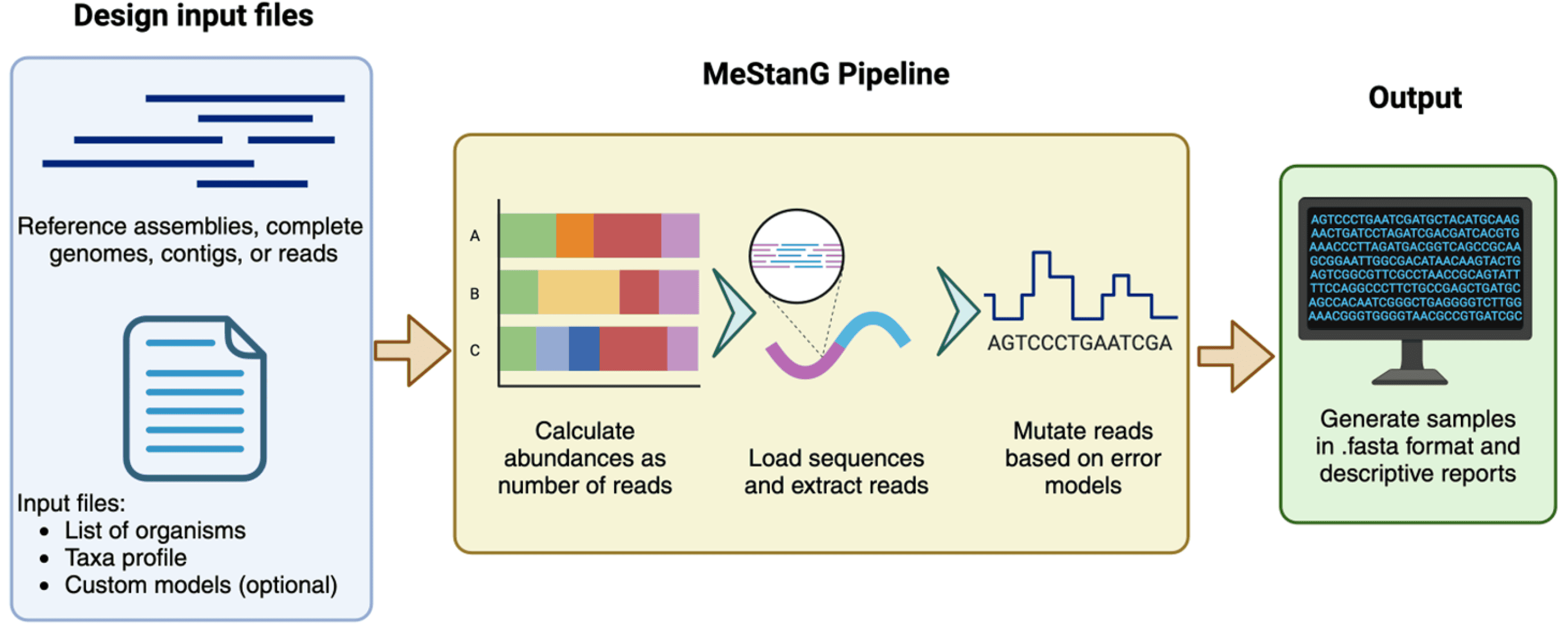
Our MeStanG tool generates benchmark datasets with known contents, allowing researchers to compare detection methods under controlled conditions. Ongoing work in citrus evaluates machine learning for simultaneous detection of dozens of pathogens.
Selected Publications
- MeStanG—Resource for High-Throughput Sequencing Standard Data Sets Generation for Bioinformatic Methods Evaluation and Validation
Daniel Ramos Lopez, F. J. Flores, Andres S. EspindolaBiology(2025)DOI ↗ - Simulated High Throughput Sequencing Datasets: A Crucial Tool for Validating Bioinformatic Pathogen Detection Pipelines
Andres S. EspindolaBiology(2024)DOI ↗ - Assessment of Viral Limit of Detection in Spiked, Unassembled High Throughput Sequencing Datasets
Lizbeth Peña-Zúñiga, Andres S. Espindola, D. Hagen, Akhtar Ali, F. Ochoa-CoronaPhytoFrontiers™(2025)DOI ↗
Sensitive Sequencing and Multiplex Diagnostics
We study how to improve detection when pathogen signals are scarce and how to screen for several targets in a single test.
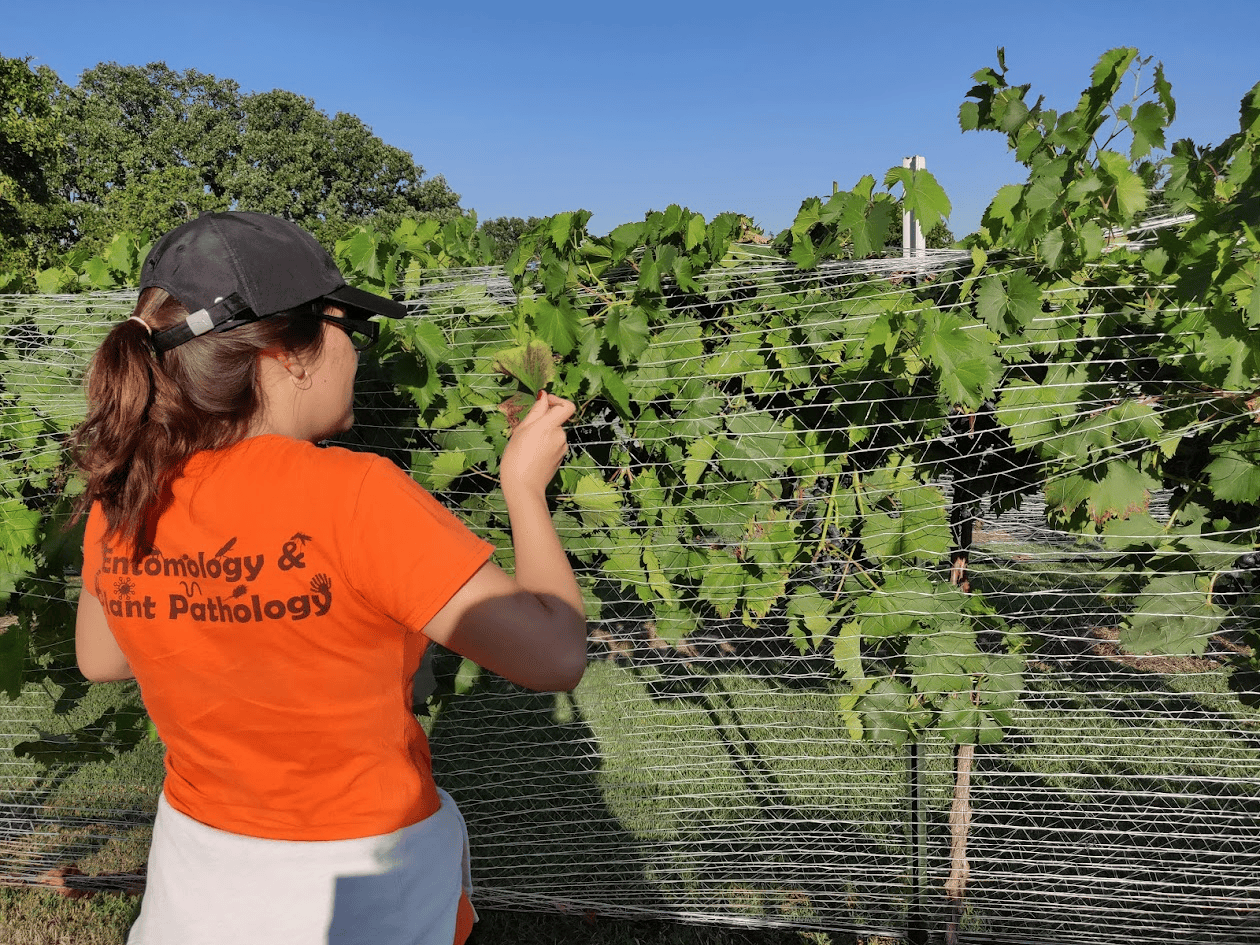
Our studies in apple and grapevine examine how sample preparation and sequencing platform choices affect detection. Ongoing projects in cucurbits and ticks explore assay designs that can be used across multiple testing platforms.
Selected Publications
- A comparative template-switching cDNA approach for HTS-based multiplex detection of three viruses and one viroid commonly found in apple trees
Francisco Mosquera-Yuqui, Daniel Ramos Lopez, Xiao-Jun Hu, Yu Yang, Joshua L. Mendoza, Emmanuel Asare, J. Habiger, O. Hurtado-Gonzales, Andres S. EspindolaScientific Reports(2025)DOI ↗ - TASPERT: Target-Specific Reverse Transcript Pools to Improve HTS Plant Virus Diagnostics
Andres S. Espindola, Daniela Sempertegui-Bayas, Danny F. Bravo-Padilla, Viviana Freire-Zapata, F. Ochoa-Corona, K. CardwellViruses(2021)DOI ↗ - Hybridization capture increases on-target nanopore sequencing of plant RNA tobamovirus- derived cDNA libraries
Andres S. Espindola, Francisco Mosquera-Yuqui, F. Ochoa-Corona, S. MarekFrontiers in Microbiology(2026)DOI ↗
One Health and Tick Microbiomes
We study the microbial communities that ticks carry and what those communities can tell us about the links between human, animal, and environmental health.
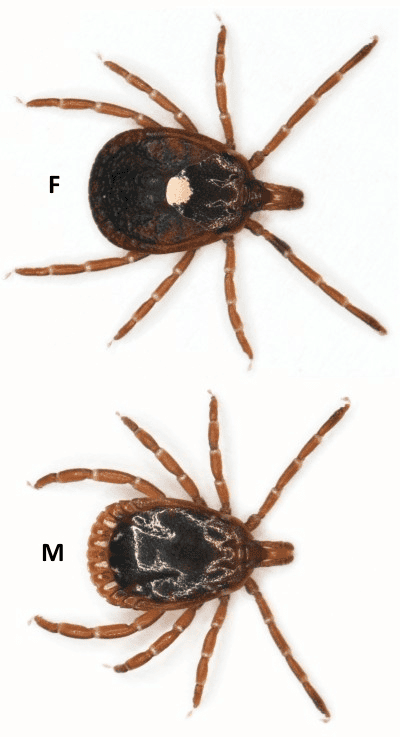
Using the lone star tick (Amblyomma americanum) as a model, we use sequencing and bioinformatics to study tick-associated microbes. This research brings a One Health perspective to tick surveillance by examining ticks and their microbial communities together.
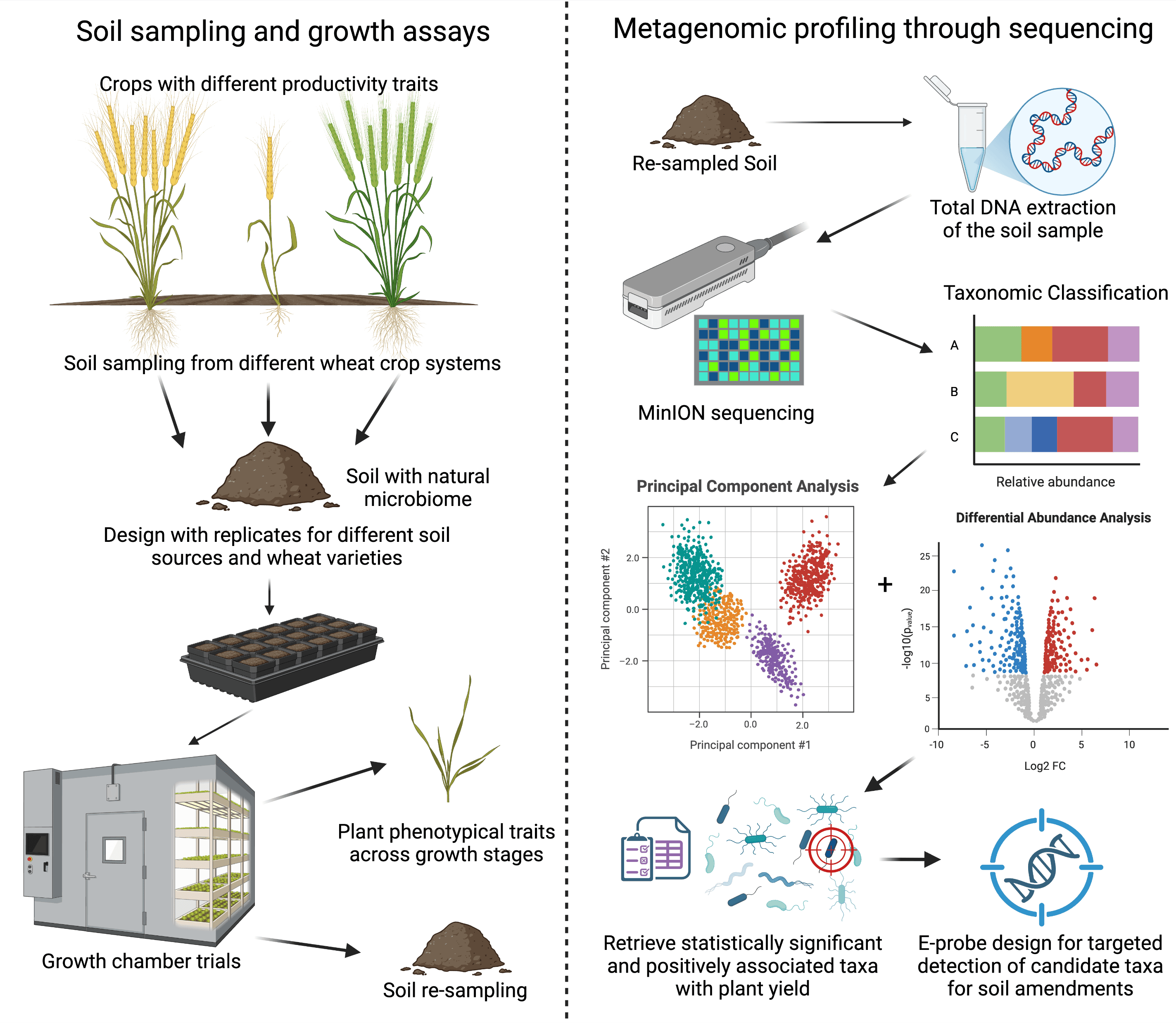
Wheat Root Microbiomes
We study how wheat variety and soil influence the microbial communities around wheat roots.
We profiled root-associated microbial communities from two wheat varieties grown in soils from three Oklahoma sources. We identified bacterial groups associated with higher yield and are interested in how these associations relate to crop health and resilience.
Selected Publications
- Rhizosphere-mediated effects on winter wheat yield in Oklahoma and the development of diagnostic probes targeting beneficial microorganisms
Daniel Ramos Lopez, Daniel Carrera-Lopez, Danny F. Bravo-Padilla, M. Pérez-García, J. Habiger, F. Ochoa-Corona, S. Marek, Andres S. EspindolaScientific Reports(2026)DOI ↗
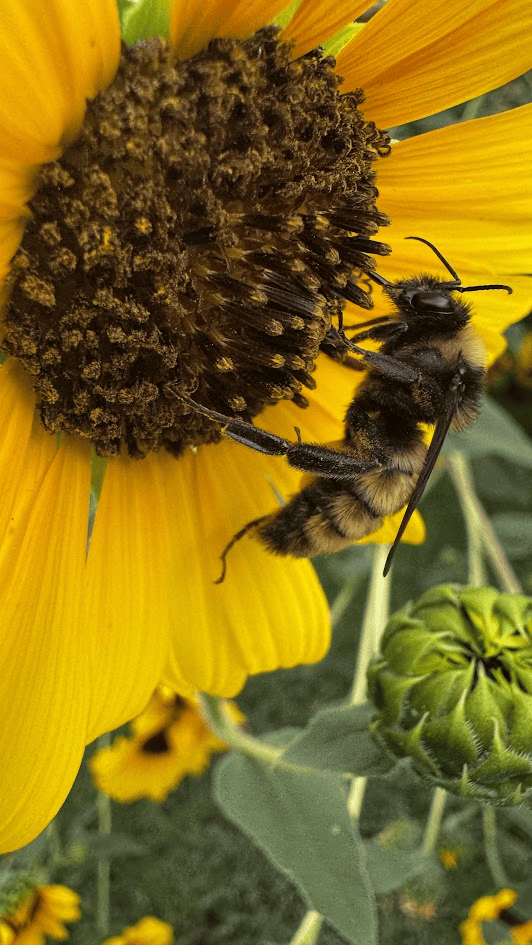
Pollinators and Plant Health Surveillance
We are evaluating whether bees and the pollen they carry can help monitor plant and bee health.
Our ongoing sunflower project uses sequencing and bioinformatics to assess whether pollen collected over a growing season can provide useful information about the presence of plant and bee pathogens.
Selected Publications
- Genome analysis of Spiroplasma citri strains from different host plants and its leafhopper vectors
Rachel J. Rattner, S. Thapa, Tyler Dang, F. Osman, Vijayanandraj Selvaraj, Y. Maheshwari, D. Pagliaccia, Andres S. Espindola, S. Hajeri, Jian-Chi C. Chen, G. Coaker, G. Vidalakis, R. YokomiBMC Genomics(2021)DOI ↗